Kirk Gibson and One Swing That Changed Baseball History
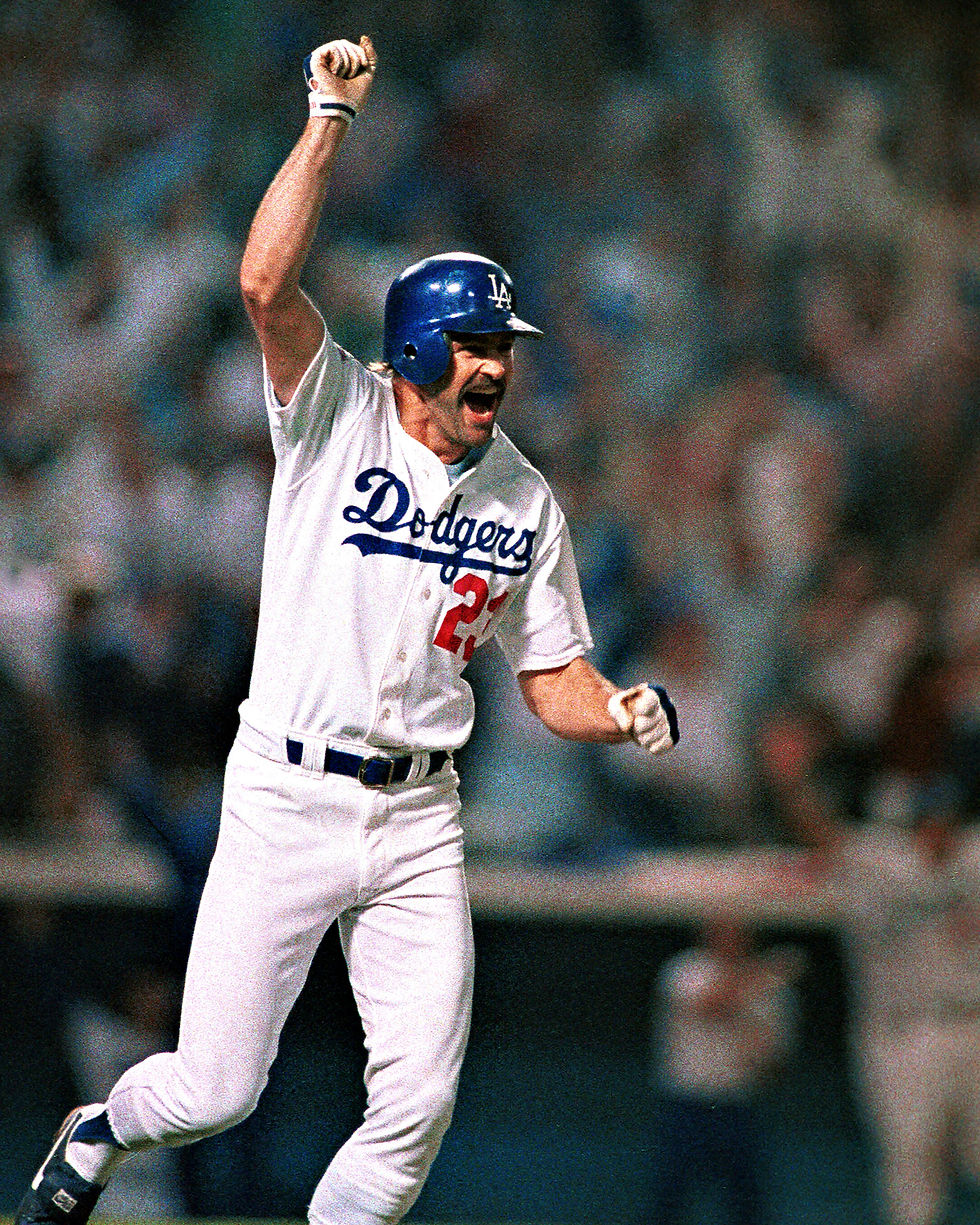
On October 15, 1988, the Los Angeles Dodgers looked beaten.
They were down 4–3 in Game 1 of the World Series against the heavily favored Oakland A’s. Their best power hitter, Kirk Gibson, could barely walk—his right hamstring torn, his left knee swollen. He had not started the game. In fact, he hadn’t swung a bat in days. Then, in the bottom of the ninth, baseball history took a hard left turn.
The Situation No One Expected
With one out, Mike Davis reached base on a walk. Dodgers manager Tommy Lasorda turned to his bench and called for Gibson. The stadium buzzed, then erupted.
Gibson limped to the plate, every step visibly painful. Oakland closer Dennis Eckersley—one of the most dominant relievers in baseball—stood on the mound. Eckersley had surrendered only five home runs all season. This was not supposed to be competitive.
The At-Bat
The count ran full. Gibson fouled off pitch after pitch, barely rotating his body, swinging with nothing but his upper half and sheer will. Then Eckersley made a rare mistake: a backdoor slider that did not slide. Gibson swung. The ball soared into the right-field pavilion. As it cleared the fence, Gibson performed one of the most iconic bat flips and fist pumps in sports history—then limped around the bases, a wounded hero completing an impossible task. The Dodgers won 5–4. They would go on to win the World Series in five games.
Why This Moment Endures
Statistically, Gibson’s 1988 season was solid but not extraordinary:
.290 batting average
25 home runs
76 RBIs
But that single swing transcended numbers. It became a reminder that baseball, at its best, is not about perfection—it is about timing, belief, and nerve. Gibson never had another moment like it. He barely played the rest of the series. Yet his legacy was sealed in one swing.

The Collector’s Angle
For collectors, Kirk Gibson cards—especially late-1980s issues—carry a unique emotional premium. His 1988 Topps, Donruss, and Fleer cards are widely available and affordable, but they represent one of the greatest single moments in World Series history. They are not scarce because of production—they are meaningful because of context. That matters. In a hobby increasingly driven by serial numbers and grades, Gibson’s cards are a reminder that stories still drive demand. Condition is important, but the narrative is what gives the card its soul.
Final Thought
Kirk Gibson did not dominate a decade. He did not redefine the sport. But on one October night, with two failing legs and the season on the line, he delivered a moment that still stops time. Some careers are remembered for consistency. Others—for one perfect, unforgettable swing.
At Line Drive Cards, those are the stories we collect.


Comments